

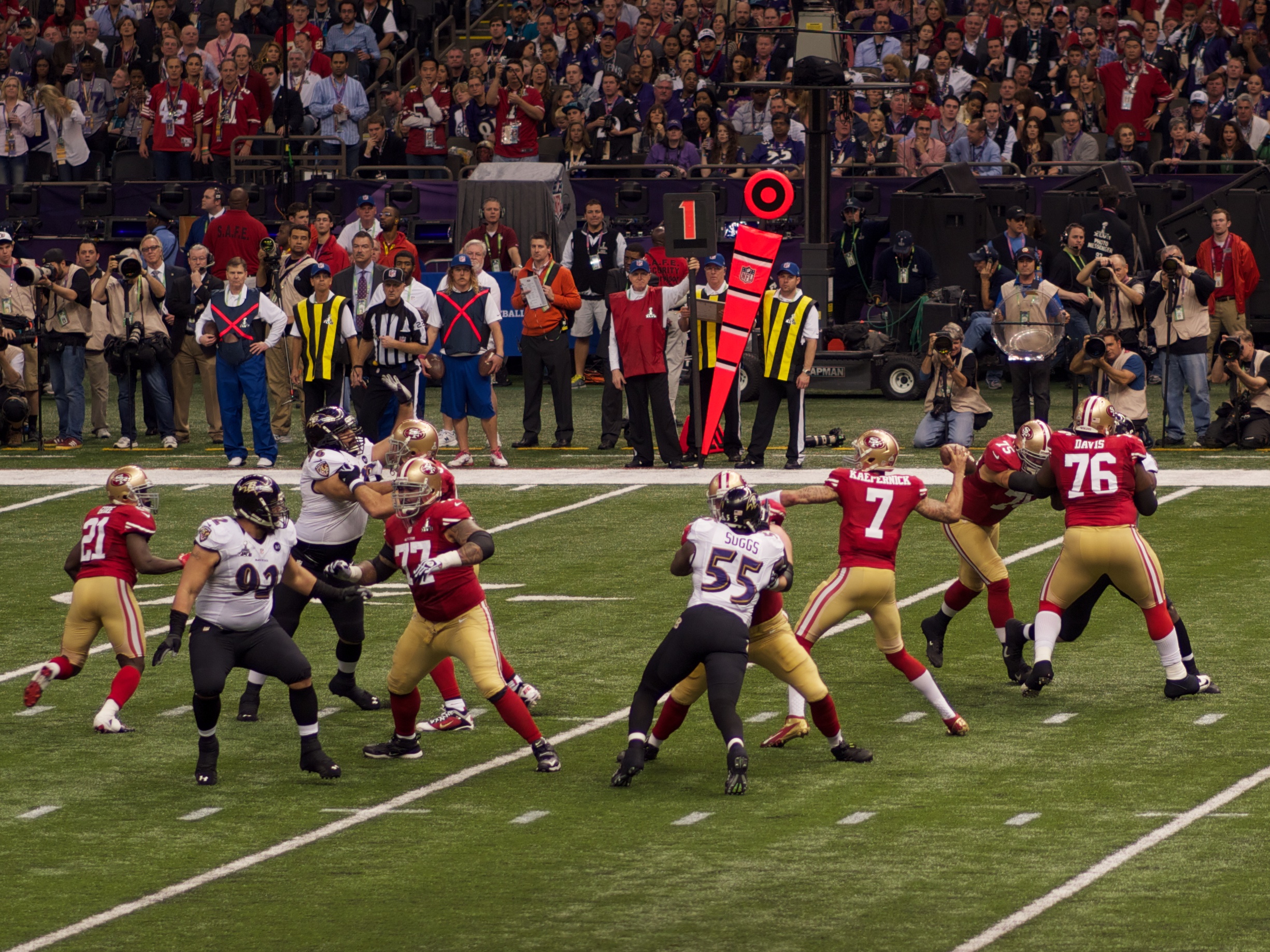
Following a disputed suicide ruling in Mississippi…
Civil rights activist and former NFL quarterback Colin Kaepernick is funding an independent autopsy for a Mississippi college student whose death by hanging was ruled a suicide. The decision comes amid mounting questions from the student’s family and attorney over the handling and transparency of the initial investigation.
Student Found Hanging Near Campus Pickleball Courts
De’Martravion “Trey” Reed, 21, a Black student at Delta State University in Cleveland, Mississippi, was found dead on Sept. 15 near the university’s pickleball courts. According to the Mississippi State Medical Examiner, Reed’s death was the result of suicide, with no evidence of foul play reported at the time.
However, that determination has not quieted concern. Discrepancies between law enforcement statements and the family’s account have fueled suspicion and public skepticism.
Conflicting Reports Raise Red Flags
One of the key points of confusion: the location of Reed’s body. According to the family, they were first told Reed was found in his dorm room, in his bed. That claim later shifted when officials stated he was found outdoors, near the courts. No clear explanation has been provided for the discrepancy.
Prominent civil rights attorney Ben Crump, who is representing Reed’s family, has questioned whether the investigation has been fully transparent. Crump has publicly called for additional scrutiny, citing the inconsistencies as reasons for concern.
Kaepernick’s Initiative Steps In
Through his Know Your Rights Camp Autopsy Initiative, Kaepernick is covering the cost of a second, independent autopsy for Reed. The initiative, launched to support families seeking independent verification in questionable death cases, is aimed at ensuring a full and fair review of the circumstances surrounding Reed’s death.
“The goal,” according to the initiative’s stated mission, “is to eliminate any doubt by providing access to objective forensic reviews, particularly in cases where official findings leave families with more questions than answers.”
Video Evidence Withheld, Toxicology Results Pending
Authorities have acknowledged the existence of video evidence tied to the investigation but have not released it publicly. The family has called for transparency and the release of that footage, arguing that it is critical to building trust in the investigative process.
The official autopsy found no signs of physical assault, but toxicology results had not yet been made available at the time of publication. Without that data, it remains unclear whether any substances may have contributed to Reed’s death.
Broader Context and Ongoing Concern
Reed’s death has generated widespread public interest — not only because of the circumstances, but also because of the historical context. Suspicious deaths of Black Americans, particularly in the South, have long drawn scrutiny, especially when initial explanations are questioned or when local authorities appear slow to release evidence.
In that context, the request for an independent autopsy and the demand for bodycam or surveillance footage are not unusual — they are, in many such cases, seen as necessary steps to ensure public confidence.
Transparency Will Be Key
At this stage, the official line remains that Reed died by suicide, with no foul play suspected. But with conflicting reports, pending lab results, and unanswered questions about where and how Reed was found, skepticism remains.
For now, Kaepernick’s funding of an independent autopsy may bring additional clarity. Whether it brings closure — or more questions — remains to be seen.